Paying Full Container Prices for Half a Container: The LCL Fix Most Small Importers Overlook
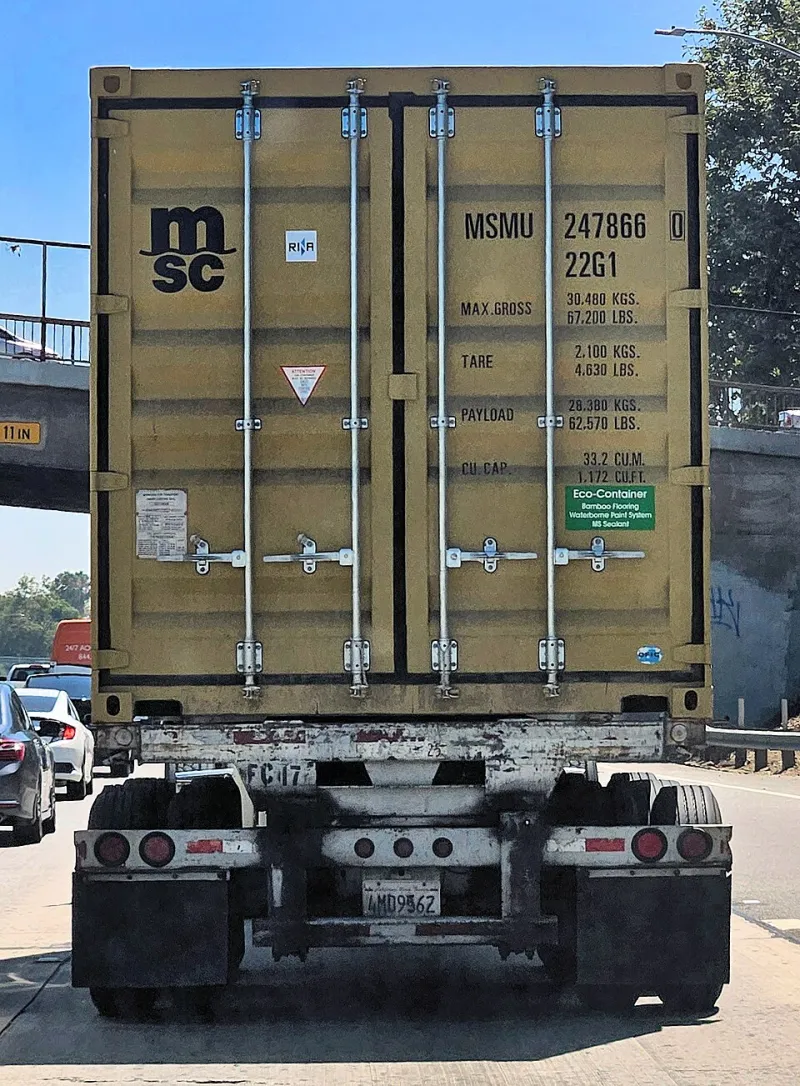
Photo: Eric Polk, CC BY-SA 4.0, via Wikimedia Commons
There is a particular kind of invoice that makes new importers wince: the LCL freight bill that costs more per unit than the product itself. Less-than-container-load shipping exists precisely because most American buyers don't fill a 40-foot box, yet the way most forwarders handle it — piece by piece, shipment by shipment — means small importers end up paying ocean-freight's least efficient rates while absorbing every handling fee along the way.
We've sat on both sides of this transaction. What follows is the consolidation playbook that transformed our own LCL volume from a recurring expense into a competitive advantage.
Why LCL Costs More Than It Should
LCL pricing looks deceptively simple: you pay for the cubic meters you occupy. The reality is a stack of add-ons. Origin handling charges, destination CFS (container freight station) fees, documentation fees, and minimum charges that apply whether your cargo fills two cubic meters or ten. A shipment that occupies a fraction of a container still triggers the full administrative apparatus of a container move.
The result: per-unit freight costs that can run two to three times higher than what a shipper moving a full container pays. For a buyer importing 400 units of a mid-priced consumer good, that difference is often the entire profit margin on the order.
The deeper problem is fragmentation. Every time you book a standalone LCL shipment, your cargo gets unloaded at a consolidation warehouse, combined with strangers' freight, shipped, unloaded again, deconsolidated, and released. Each touch adds cost, delay, and — notably — risk of damage and miscounts.
Three Paths to Consolidation
There are essentially three ways to stop paying the fragmentation tax, and they suit different volumes.
Forwarder groupage. Your freight forwarder pools your cargo with other clients' shipments into a shared container. You get a better rate than raw LCL, but you're still one consignee among many, and the schedule bends to the forwarder's consolidation calendar.
Private consolidation at origin. If you source from multiple suppliers in the same region — say, three vendors around Shenzhen — you can have them all deliver to a single consolidation point, pack one container, and ship it as a single FCL booking. One ocean freight rate, one set of destination fees, one customs entry.
A dedicated consolidation hub. For ongoing programs, some importers work with a trading partner or warehouse operator who receives, inspects, and consolidates shipments on a standing basis, building containers weekly or biweekly. This is where the biggest gains live, because it converts shipping from a series of reactions into a planned operation.
A Worked Example
Consider a mid-size US buyer importing 1,200 units of a kitchenware product per quarter, split across three suppliers in Guangdong. Assume a volumetric weight of roughly 18 CBM total.
Scenario 1: Standalone LCL, three shipments. Each supplier ships separately, about 6 CBM each. At a blended rate of roughly $95 per CBM plus $350 in origin and destination fees per shipment, the quarterly freight bill lands near $2,700 — and per-unit freight cost is about $2.25.
Scenario 2: Shared container via groupage. The forwarder combines all three suppliers' cargo into one 20-foot container. Ocean freight to a US West Coast port runs around $2,200 all-in for the move, with consolidation fees of roughly $300. Per-unit cost drops to about $2.08 — a modest improvement, plus fewer handling touches.
Scenario 3: Private consolidation into a full 20-foot FCL. All 1,200 units fit comfortably in one 20-foot container. All-in cost — origin trucking, consolidation labor, ocean freight, destination fees — comes to roughly $2,600. Per-unit freight: about $2.17.
Wait — FCL at $2.17 versus groupage at $2.08? Here's the nuance the spreadsheet hides. The groupage figure assumes perfect rates and no surprises. In practice, groupage cargo faces CFS fees at destination, occasional re-handling damage (we budget 1–2% shrinkage), and customs exams that charge per-handling event. The FCL container, by contrast, is sealed at origin and opened only at your warehouse. Add back the shrinkage and destination fees the groupage scenario omits, and Scenario 3 typically wins — while also cutting transit variability by five to ten days.
The real lesson: the cheapest headline rate is rarely the cheapest landed cost. Model the whole journey.
Making Consolidation Work in Practice
A consolidation strategy succeeds or fails on coordination. Three disciplines matter most:
Synchronize supplier readiness. A container is only as fast as its slowest vendor. Build a ship-ready date into every purchase order, with consequences for slippage, and have your consolidation point confirm receipt of each supplier's cargo before booking vessel space.
Inspect before the box closes. The consolidation stage is your last realistic checkpoint. Carton counts, barcode verification, and spot quality checks at the hub cost pennies compared to discovering problems at your loading dock in Ohio.
Match container size to volume honestly. Importers chronically overfill 20-foot containers or underfill 40s. Know your product's cubic density, and don't let a forwarder's space commitment dictate your carton math.
The Margin Hiding in the Middle
Small importers tend to treat freight as weather — something that happens to them. The buyers who compound margins treat it as an operating discipline. Consolidation doesn't require a logistics department or a Shanghai office; it requires deciding, in advance, that fragmented cargo is a solvable problem.
Start with your last twelve months of LCL invoices. Add up the fees, divide by units, and compare against what a single consolidated container would have cost. For most buyers ordering on a steady cadence, the math makes the decision for them — and the savings recur every quarter thereafter.