One Container's Journey: Following a Single Product From Assembly Line to American Loading Dock
Somewhere in a manufacturing district outside Shenzhen, 1,200 LED desk lamps are being packed into a carton stack that will, six weeks from now, sit on a loading dock in Columbus, Ohio. Between those two moments lies a chain of handoffs — roughly a dozen of them — where the shipment is inspected, documented, transferred, and re-verified.
Most US buyers never see this journey. The better trading companies make sure someone is watching every step of it anyway. Here is what that journey actually looks like, and why each handoff matters.
Handoff One: The Factory Floor
Our lamps begin as a purchase order with a specification sheet attached: lumens, color temperature, materials, packaging dimensions, safety certifications. The specification sheet is the entire contract between intention and reality — everything downstream depends on how precisely it was written and how faithfully it is followed.
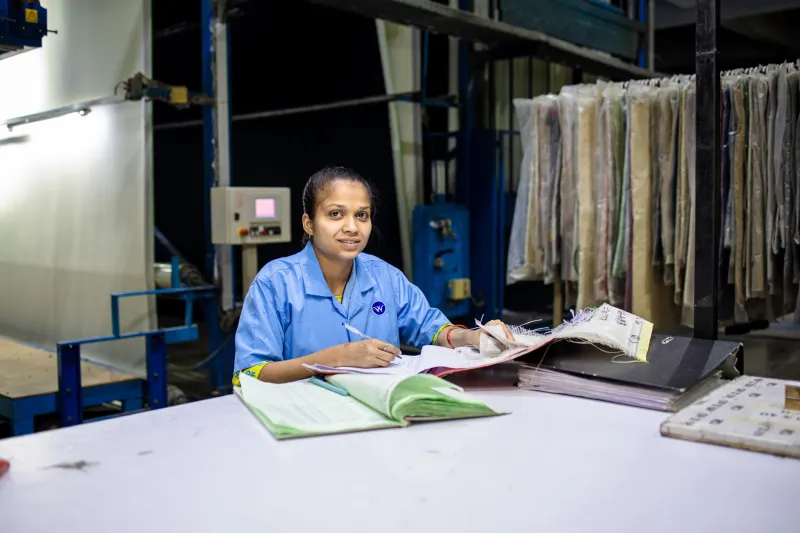
At a well-run factory, production is not a single event but a sequence of checkpoints. Materials are verified on arrival. Semi-finished units are spot-checked mid-line. Before packing, a final inspection samples cartons against an agreed AQL standard — the statistical method that determines how many defects in a batch are acceptable and how many trigger a hold.
This is also where a genuine trading partner earns its keep. A trading company with its own QC presence on the ground does not simply forward the factory's assurances to the buyer. It verifies them — often with photographs, inspection reports, and, for higher-value orders, third-party inspectors who arrive unannounced.
Handoff Two: Documentation — The Paper Trail That Carries the Cargo
It is a cliché of freight forwarding that goods travel on paper, and like most clichés, it is true. Before our lamps can move, a dossier must be assembled:
- Commercial invoice — the transaction record customs authorities will scrutinize first
- Packing list — carton counts, weights, dimensions, matching the physical load
- Bill of lading — the document of title that governs who controls the cargo
- Certificates of origin and compliance — proving where the goods were made and that they meet US safety standards
Errors here are not clerical trivia. A mismatched carton count can delay clearance. A misclassified HS tariff code can trigger penalties or overpayment. An anonymous middleman treats documentation as an administrative afterthought; a transparent trading company treats it as the backbone of the shipment, reconciling every figure against the physical goods before the container doors close.
Handoff Three: Choosing the Freight — Speed, Cost, and the Honest Middle Ground
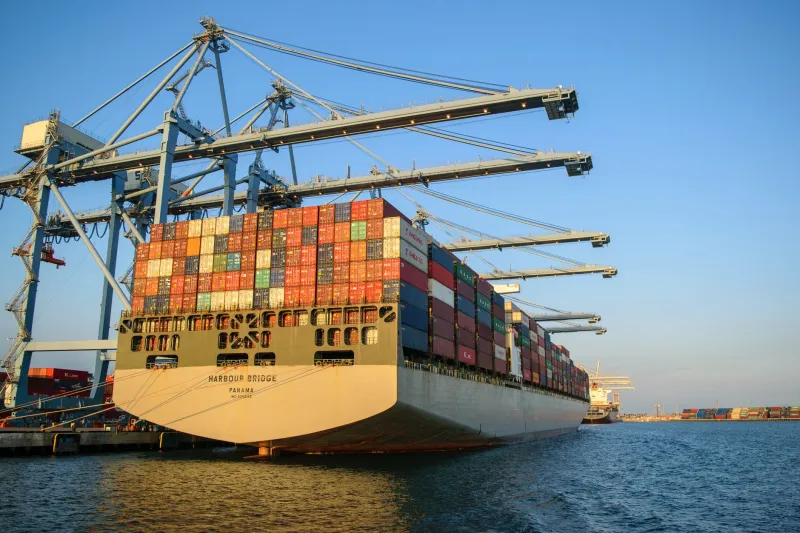
With paperwork in order, our lamps face a mode decision. Air freight gets them to Columbus in under a week, at a cost that would make the retail price of a desk lamp untenable. Traditional ocean freight takes four to six weeks but moves the cargo for a fraction of the price.
Increasingly, US importers choose a middle path: sea-air combinations, or ocean freight to a West Coast port with rail transfer inland. A knowledgeable trading partner does not default to the cheapest or the fastest option. It asks what the buyer's inventory position actually requires — is this a replenishment order with comfortable lead time, or a stockout emergency? — and recommends accordingly, with the cost trade-offs stated plainly.
Handoff Four: Customs and the Last Mile
At the US port of entry, our container is scanned and its documentation reviewed by Customs and Border Protection. Goods from a compliant supply chain — accurate origin declarations, proper certification, consistent invoices — typically clear without incident. Goods from an opaque one invite exams, holds, and storage fees that can erase an entire quarter's margin.
Once released, the container moves by drayage and rail to the Columbus distribution center. The final handoff is the receiving dock, where warehouse staff count cartons against the packing list and inspect for transit damage. If the upstream handoffs were done well, this one is uneventful. That uneventfulness is the point.
Why Transparency Is the Product
Step back from the journey and a pattern emerges: at every handoff, the shipment's value to the buyer depends on someone choosing to be honest about what happened. Did the inspection actually occur? Do the documents match the cargo? Was the freight recommendation made for the buyer's benefit or the forwarder's?
An anonymous middleman obscures these moments, because opacity is cheaper than accountability. A trusted trading company does the opposite — it surfaces them, documents them, and takes responsibility for them. That is the real distinction in international trade. The lamps were never the hard part. The trust was.
When you evaluate a sourcing partner, ask to see the trail: inspection reports, shipping documents, freight reasoning. What they show you — and what they volunteer — will tell you exactly what kind of company you are dealing with.