Your Logo, Their Factory: Who Really Owns the Product You're Selling?
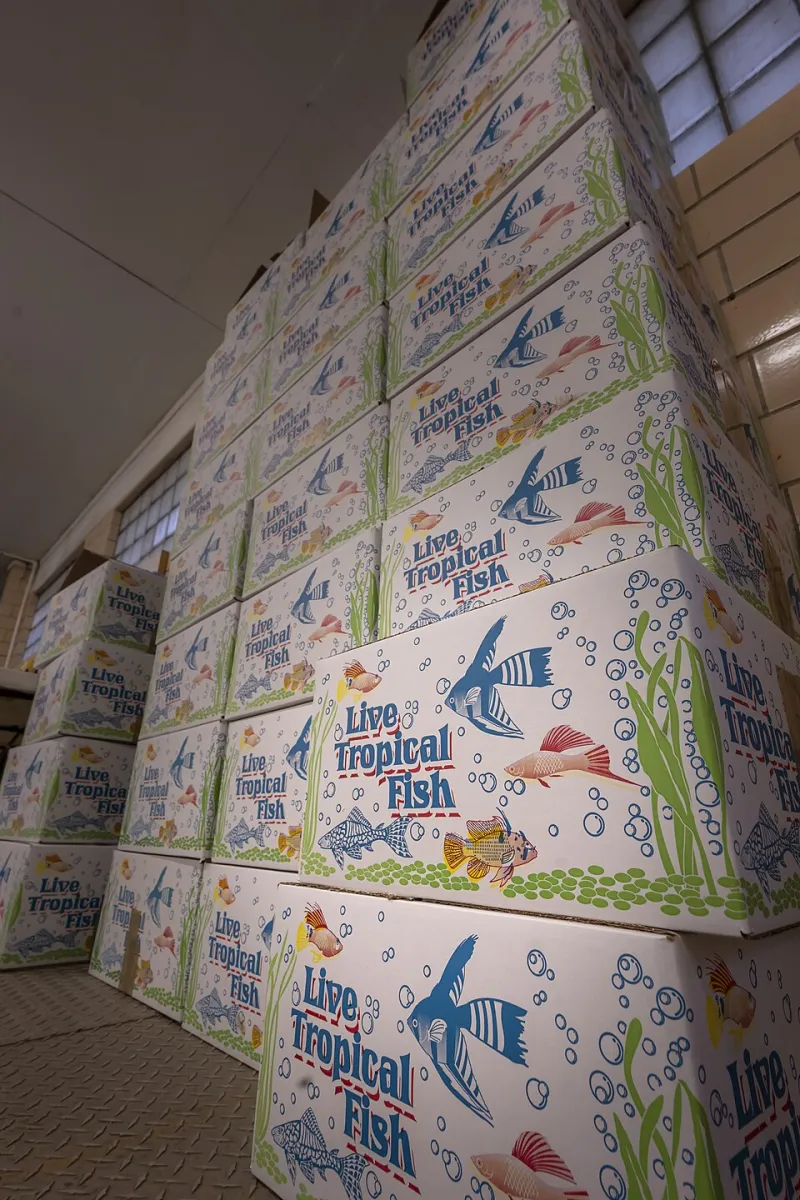
Photo: USFWS Mountain Prairie, Public domain, via Wikimedia Commons
A pallet arrives at your Ohio warehouse. Every carton bears your logo, your UPC codes, your instructions in English. To your customers, and to your accountant, this is your product.
Ask the factory, however, and the answer may be very different. The tooling that shaped it belongs to them. The design files live on their servers. The safety certification was pulled under their company name. You own inventory; they own everything else. For a growing number of US importers, that distinction doesn't matter — until the day it does.
The Illusion of Ownership
White-label and OEM arrangements are the backbone of American importing. A brand is a promise; a factory is a capability. Marrying the two lets a two-person company in Denver compete with national brands without ever pouring concrete.
But the arrangement rests on an unspoken assumption: that the buyer controls the product. In practice, control follows paperwork, not branding. If your purchase order is silent on tooling ownership, the molds that produce your product are factory property. If your agreement never mentions design files, those CAD drawings can be reused, revised, or shopped around. If the certification was filed under the manufacturer's name, you cannot legally assert it — you're riding on their compliance, not your own.
None of this is disclosed. It's simply the default.
The Molds Are the Leverage
Consider a scenario we see with uncomfortable regularity: a US buyer spends $40,000 on custom tooling for a line of kitchen gadgets, structured as a line-item amortization on each order. Sales climb. Then the buyer wants to move production to a second facility in Vietnam to diversify risk.
The factory's response is polite and immovable: the molds stay here.
Because the tooling contract was never signed — or was signed in a way that ties the molds to continued orders — the buyer faces an unpalatable choice: keep producing with a supplier who now knows they have leverage, or pay again for duplicate tooling elsewhere and eat months of delay. The product was never the buyer's in the way they believed. The steel was.
When Your Product Shows Up in Your Competitor's Catalog
The second, sharper risk is leakage. A factory that developed tooling for your product can, absent contractual restrictions, offer nearly identical goods to other buyers — sometimes at a lower price, since the development cost is already recovered. US importers routinely discover their own product, or a close cousin of it, listed on Alibaba or in a competitor's shipment.
This isn't always malice. Factories think in terms of capacity and machine hours, not brand loyalty. But the commercial effect is the same: the differentiation you paid to create can be commoditized without your consent, and your retail pricing collapses overnight.
A co-production or OEM agreement with real teeth addresses this directly. The clauses that matter:
- Tooling ownership and buyout rights. State plainly that molds paid for by the buyer are buyer property, held in bailment, and must be released or transferred on request. Include a fixed buyout price if the factory contributed to the cost.
- Exclusivity windows or channel restrictions. Even a 12- or 24-month exclusivity period on your exact specifications dramatically limits the damage. Absolute exclusivity is expensive; time-limited exclusivity is affordable.
- Design file custody. Specify that all drawings, CAD files, and specifications created for your product are delivered to you or escrowed, and that the factory retains only a licensed right to use them for your production.
- Certification transfer. Require that safety testing and certifications be structured so you can assert them — either under your name or through a documented authorization — so a change of suppliers doesn't strand your compliance.
- Enforcement mechanics. A clause without a remedy is decoration. Liquidated damages, audit rights, and a defined dispute venue turn promises into obligations.
The Certification Problem Nobody Budgets For
US importers often discover the ownership gap at the worst possible moment: during a customs exam, a retailer's vendor onboarding, or an Amazon compliance review. If the FCC, FDA, CPC, or UL documentation is in the factory's name, you may be asked to prove your right to sell. Without an authorization letter or a co-holder arrangement, your product can be delisted or held while you scramble.
The fix costs almost nothing when negotiated up front and can cost a season of sales when negotiated after the fact. Ask for your name on the test reports, or at minimum a signed authorization permitting you to rely on the certification. Reputable manufacturers expect the request.
A Practical Checklist Before Your Next Order
Before signing with any manufacturer, get written answers to five questions:
- Who owns the tooling, and what happens to it if we stop ordering?
- Where do the design files live, and who can access them?
- Whose name is on the certifications, and can we be added?
- Can the factory sell this product or its derivatives to other buyers, and for how long are we protected?
- If we move production, what is the documented process and cost for releasing our molds?
If any answer is vague, treat the vagueness itself as the answer.
Ownership Is a Paper Exercise — So Do the Paperwork
There is nothing wrong with white-label manufacturing. It built a generation of American brands and remains the fastest route from idea to shelf. But a brand built in someone else's factory is only as secure as the contracts behind it. Your logo on the box is marketing; your name on the tooling agreement is ownership.
At YYG Trading Co., we've watched enough importers learn this lesson the expensive way to offer it as standing advice: the moment your product matters to your business, make sure the paperwork says it belongs to you. Because eventually, someone will ask — and the only answer that counts is the one in writing.