The Holiday Order Calendar: Why Your Christmas Inventory Should Be Booked Before the Barbecue
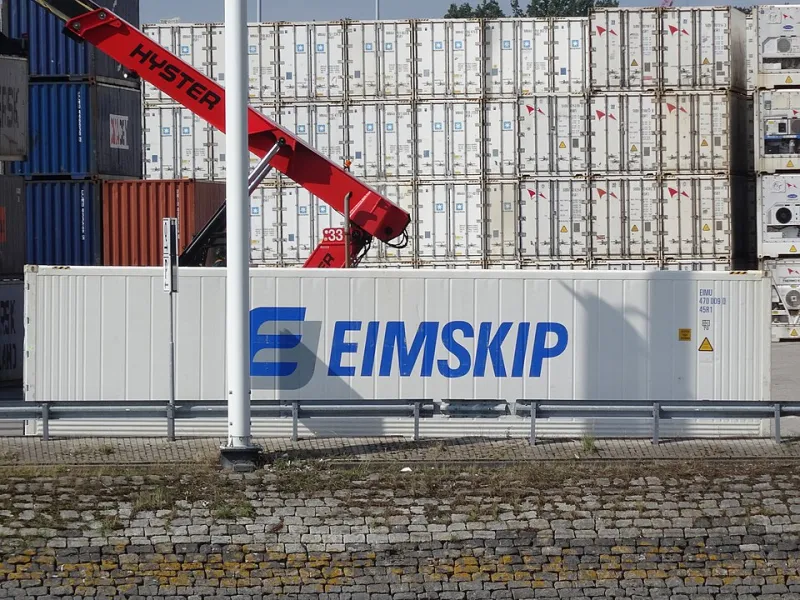
Photo: AgainErick, CC BY-SA 4.0, via Wikimedia Commons
Ask a room of small retailers when they place their holiday purchase orders, and most will say something like early fall. It sounds reasonable. The holidays feel like a November event, so ordering in September seems prudent, even cautious.
In transpacific trade, it is a recipe for empty shelves.
The arithmetic is unforgiving. A typical seasonal product sourced from Asia — say, decorative lighting, gift sets, or insulated drinkware — carries 30 to 45 days of production time, followed by 25 to 40 days of ocean transit and customs clearance to a US port. Stack those figures against a mid-October arrival deadline and the placement date lands squarely in early summer. The retailers who dominate Black Friday are, in most cases, the ones who finalized their supplier conversations before Memorial Day.
The Reverse-Planning Method
The discipline is simple: start from your desired dock date and work backward, padding every stage. If you want inventory received and priced by October 15, ocean freight must depart no later than mid-August. Production must therefore begin in late June or early July. Supplier selection, sampling, and contract negotiation must be complete by the time the grills come out on the Fourth of July.
That buffer is not paranoia. It is insurance against the three delays that routinely swallow a season.
A Month-by-Month Countdown
January–February: The Hidden Cliff. Chinese New Year shuts down Chinese manufacturing for two to four weeks, and the slowdown bleeds outward for a month on either side as workers travel and factories restart at reduced capacity. Any supplier vetting, quotation requests, or sample orders not completed before mid-January will drift into March. Plan your spring scouting accordingly.
March–April: Shortlist and Sample. With factories back at full speed, this is the window for requesting quotes, comparing samples, and auditing suppliers. A thoughtful vetting process — references, certifications, a video walkthrough of the production floor — takes six weeks when done properly.
May: Negotiate and Sign. Lock pricing, payment terms, tooling ownership, and delivery schedules into a written contract. May agreements mean June production slots, and factories reward early commitment with better capacity priority.
June: Place the Purchase Order. This is the barbecue deadline. A PO signed in June with a 45-day production run lands finished goods on a vessel by mid-August.
July–August: Produce and Book Freight. Conduct a mid-production inspection rather than waiting for the final one. Meanwhile, your freight forwarder should be booking vessel space now — peak-season rates climb and space tightens from August onward.
September: On the Water. Goods in transit. Track the bill of lading, confirm customs documentation, and pre-clear entries where possible. Port congestion during peak season can add one to two weeks with no warning.
October: Dock, Inspect, Stock. Receive, inspect against your golden sample, and get product onto shelves or into fulfillment centers with a month to spare before the selling season peaks.
The Buffer Math Nobody Argues With
A useful rule of thumb: add 30 days to every timeline a supplier gives you. Factories quote best-case production; forwarders quote best-case sailing; customs brokers quote best-case clearance. When each stage slips a week or two — and over a six-month pipeline, something always does — only importers who built in slack still make their dates.
The retailers who wait until September to think about Christmas are not lazy. They simply never did the arithmetic. Do it once, in June, and every subsequent holiday season becomes dramatically less stressful — and considerably more profitable.