Demurrage, Detention, and Other Words You'll Learn the Hard Way: A Buyer's Primer on Working With Freight Forwarders
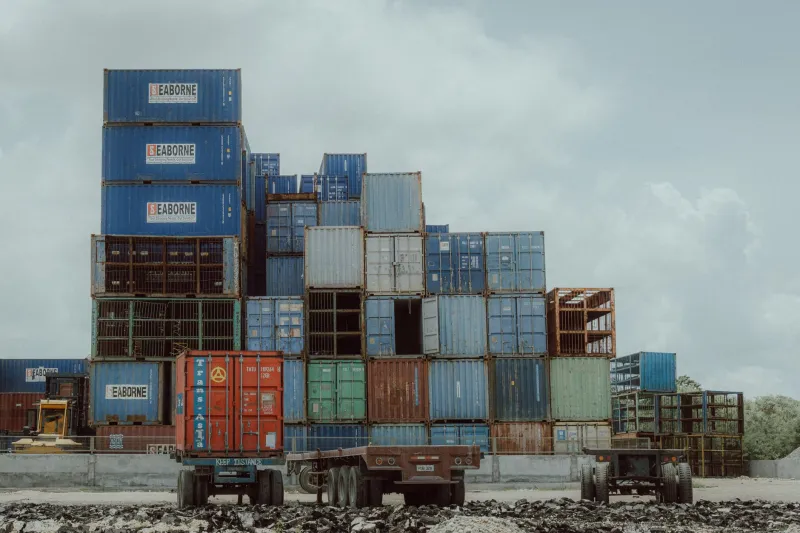
Every seasoned importer has a story that begins the same way: a container arrives at the Port of Long Beach or Savannah, and for reasons nobody can quite explain, it doesn't move. Days pass. Then an invoice arrives — not for the freight, which was quoted and budgeted, but for demurrage, detention, and a handful of terminal fees with acronyms the buyer has never seen before.
The freight forwarder usually gets blamed. Sometimes fairly. More often, the seeds of the delay were planted weeks earlier, in the briefing — or the absence of one — before the booking was ever placed.
At YYG Trading Co., we spend a great deal of time on the other side of these conversations, coordinating ocean and air shipments for American buyers. What follows is the candid version of what forwarders wish their clients knew, assembled from our own experience and from the professionals who move freight for a living.
The Forwarder Is Not a Magician
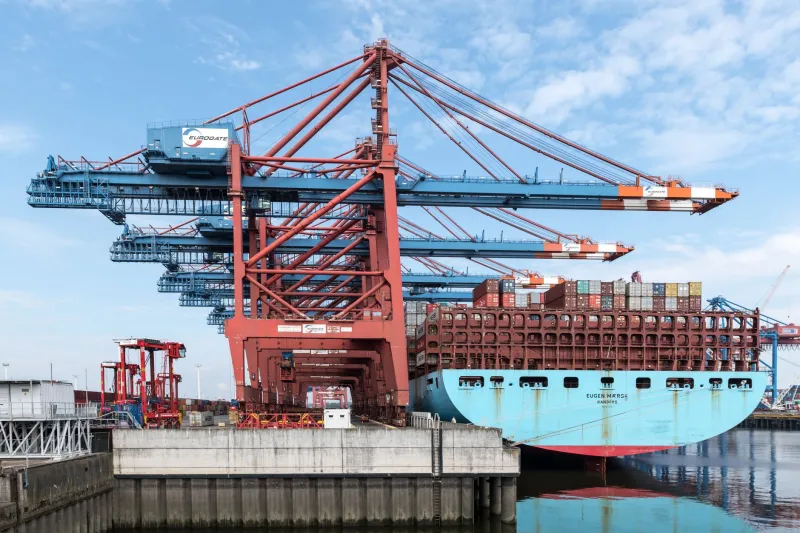
The most common misunderstanding in the trade is that a freight forwarder controls the shipment. In reality, a forwarder orchestrates a long chain of parties — the ocean carrier, the terminal operator, the drayage trucker, customs brokers, and the consignee's own receiving dock. None of them report to the forwarder, and none of them will hold a vessel because your factory ran three days behind.
A good forwarder manages this chain with skill. A great client makes that management possible by providing accurate information early: realistic cargo-ready dates, correct piece counts and weights, and a clear picture of who is responsible for what under the agreed Incoterms. When a supplier in Guangzhou tells you the goods will be ready "next week," your forwarder needs to know whether that means Monday or Friday — because the difference can be an entire vessel.
The Documents Are the Shipment
It is a hard truth of international trade that paper moves goods, not steel. A container can cross the Pacific in fourteen days and then sit at a terminal for ten more because a commercial invoice listed an imprecise product description, or because the packing list didn't match the master bill of lading.
US Customs and Border Protection, along with the Food and Drug Administration, the FCC, and a dozen other agencies depending on the commodity, reviews documentation before most containers are ever released. Forwarders consistently rank document quality as the single biggest predictor of a smooth entry.
Three habits separate clean shipments from problem ones:
- Consistency across every document. The description on the commercial invoice, packing list, and bill of lading should match word for word. "Kitchen storage rack" on one and "metal shelf unit" on another invites an exam.
- Honest declared values. Undervaluing to trim duty is the fastest way to earn a penalty that dwarfs the savings.
- Early transmission. Documents that reach the forwarder before the vessel departs allow pre-clearance work. Documents that arrive after arrival guarantee storage fees.
Learn the Vocabulary Before It Appears on an Invoice
Demurrage is the charge for leaving a container at the terminal past its free time. Detention is the charge for keeping the carrier's container out in the world — at your warehouse, in your parking lot — past the allowed return window. Per-diem is essentially the same idea applied to the equipment. These charges accrue daily, they escalate, and they are almost always avoidable.
The practical takeaway for an American buyer: know your free time at destination (typically four to five working days at major US ports), have a drayage partner or transload plan arranged before the vessel berths, and make sure your warehouse can actually receive a forty-foot container when it shows up. A surprising share of demurrage invoices in the US are caused not by customs delays but by a receiving dock that was closed, full, or never told.
How to Brief a Forwarder Properly
A useful rule: give your forwarder the same information you would want if you were the one accountable for the delivery. In practice, that means a short, standing brief that covers:
- The commodity, honestly described — including whether anything is lithium-battery powered, food-contact, wood-packaged, or otherwise regulated. Surprises at origin cost far more than disclosures up front.
- The true cargo-ready date, with a buffer. Forwarders can work with honest delays; they cannot work with fictional ones.
- The destination reality — is there a dock? A forklift? A liftgate needed? Residential delivery? These details change the price and the truck dispatched.
- Your deadlines in plain terms — not "ASAP," but "on the shelf by March 15," which lets the forwarder recommend a service that actually fits.
Buyers who brief this way routinely get better rates, too. Forwarders prioritize clients who are easy to plan around; reliability is rewarded in freight the way credit scores are rewarded in lending.
When to Push Back
The relationship should not be deferential. A competent US importer should ask a forwarder to explain every accessorial fee, to quote all-in rather than base-rate-plus-mysteries, and to flag routing changes in writing. If a forwarder cannot produce a clear breakdown of a demurrage invoice, that is a signal about the partnership, not about you.
Conversely, expect the forwarder to push back on you — on unrealistic transit promises, on rushed document packages, on bookings made after the cargo-ready date has already passed. A forwarder who never disagrees with you is not a partner; they are an order-taker who will disappear when the problem arrives.
The Bottom Line
Freight forwarding is one of those relationships where preparation, not charisma, determines the outcome. The importers who rarely pay surprise fees are rarely lucky. They are the ones who send honest dates, consistent paperwork, and complete destination details — and who treat their forwarder as a colleague in a shared operation rather than a vending machine for quotes.
Get that relationship right, and the container that left an assembly line in Asia will roll up to your loading dock in Ohio on the day you promised your customer. Get it wrong, and you will learn the vocabulary of demurrage the expensive way. From where we sit at YYG Trading Co., the first option is considerably more pleasant.